
Canyon Lake Address History Sources
Start the backward trail with the source closest to the period in question. A current parcel supplies the legal description that ties an address to recorded land, while the County Clerk's official records index connects parties to transfers. The regional directories place named households at a time. Federal census and local genealogy collections bridge earlier periods. Permits and newspapers can add dates or context, but neither should be treated as a complete list of people at an address.
| Source | Years or scope | Where held | What it can show |
|---|---|---|---|
| ROAM Official Public Records | Online cutoff not located; county records described from the 1840s | Comal County Clerk and ROAM | Grantors, grantees, instruments, liens, plats, and legal descriptions |
| New Braunfels–Canyon Lake directories | 1991; 1994–1998; 1999; 2001 | UT Briscoe Center | Regional address, telephone, and household leads |
| New Braunfels directories | 1952–53, 1969, 1975 | TSLAC and UT | Earlier regional context, not a complete Canyon Lake roll |
| Federal census and Comal reconstruction | 1850–1950; reconstructed 1890 | Archives and CCGS | Household composition at the recorded census date |
| Engineer permits and newspapers | Dates and online coverage not located | County Engineer and UT holdings | Property-related timing, notices, and historical context |
For a modern address, begin with the appraisal record. For an older tract, begin with the legal description and a dated deed. When an online index no longer supplies a result, move to the clerk's written-research or in-person route instead of assigning a false cutoff year. Note: A deed party may be an owner, trustee, estate representative, or company rather than a person who lived at the address.
Canyon Lake Parcel Clues for Past Residents
The Comal Appraisal District eSearch is the current starting point for Canyon Lake past residents research. Search by owner name, street number and street name, Property ID, Geographic ID, Owner ID, subdivision, or other advanced fields. The result can supply the current assessed owner, account or geographic ID, situs address, and legal description. Save the subdivision and lot or block data too. Older deeds often preserve that description after a postal address changes.
Keep the situs and mailing fields separate. A situs address identifies the parcel; a mailing address can be a post office box, business address, former address, or location outside Comal County. The appraisal tool is updated each business day and says its data should be verified before legal use. A tax record is a useful billing cross-check, but it is not the title record.
| CAD search field | Entry or behavior | Address-history use |
|---|---|---|
| Owner name | Last First or Last, First | Find the current assessed owner before opening ROAM. |
| Street number and name | Enter the number separately; omit prefix, suffix, and unit from the street name. | Reach the parcel when only an exact address is known. |
| ID fields | Property ID, Owner ID, Geographic ID, or Agent ID | Carry a stable parcel identifier into the next search. |
| Subdivision and related fields | Subdivision, abstract, condo, mobile-home park, neighborhood, tax year, and property type | Bridge an old address to its tract or lot context. |
Address control. Copy the street spelling, parcel identifier, subdivision, and legal description before opening a deed index. Those fields make the later Canyon Lake searches more reliable.
Canyon Lake Previous Residents in the Deed Chain
The Comal County ROAM Land Records Online index supplies the transfer trail. Search the current owner as a grantee, limit the search to Official Public Records and a likely deed or instrument type, then narrow by date, legal description, subdivision, or volume and page when known. The purchase document should identify a prior grantor and the property description. That person or entity becomes the next grantee search when moving backward.
- Open the current appraisal result and capture the owner, situs, account or Geographic ID, subdivision, and legal description.
- Search that owner as grantee in ROAM, using the likely acquisition period and document filters to find the purchase record.
- Read the deed image or request a copy, then record the named grantor, instrument date, recording data, and legal description.
- Search that grantor as grantee to locate the earlier acquisition, while comparing the legal description at every step.
- Repeat until the chain changes form, a trust or estate appears, or the online material ends, then shift to clerk books or a request.
| ROAM index item | What to record |
|---|---|
| Index names and roles | Each listed party and whether the index identifies a grantor or grantee role. |
| Document type and number | The instrument type and instrument number used to find the record again. |
| Recording reference | Recording date plus volume and page or legal-description reference when shown. |
| Legal description | The tract, lot, block, subdivision, or metes-and-bounds wording that ties successive records together. |
| Image status | Whether an image is available through the account route or a clerk copy is needed; do not assume an image exists. |
- Grantor and grantee
- The grantor transfers an interest; the grantee receives it. Each role can change in the next deed.
- Chain of title
- The sequence of recorded transfers associated with the same property interest.
- Legal description
- The lot, block, tract, subdivision, or metes-and-bounds wording that identifies land more reliably than an old street address.
Canyon Lake ROAM Gaps and Deed Books
ROAM's official online start date was not located in the reviewed portal help. Do not treat a blank result as proof that a Canyon Lake transfer never occurred. The index offers name, instrument, volume and page, date, document or index type, grantor or grantee role, legal-description, phonetic, and advanced filters. The ROAM Quick Tips explains those options and helps narrow a common surname or a broad date range.
When the web trail stops, use the Comal County General Research Request with known document numbers, volume and page, or a specific deed request. The form asks for document-specific work, not for the clerk to construct an entire property history. It says one to three documents may take up to 24 hours and more than three may take up to 48 hours. In-person clerk research is another route for earlier books and images.
The County Clerk is at 150 N. Seguin Avenue, Suite 1037, New Braunfels. Public-access hours are Monday through Friday, 8:00 to 4:30; office hours are 8:00 to 5:00, closed from noon to 1:00, and walk-ins stop at 4:30. Check the current County Clerk information and fee schedule before ordering copies or certification.
Note: Give the clerk a document number or volume and page when possible, because the request form is for specified records rather than an open-ended history.
Canyon Lake Past Residents in Regional Directories
The documented New Braunfels–Canyon Lake directory dates are 1991, 1994–1998, 1999, and 2001. Those volumes cover Canyon Lake, Cranes Mill, Hancock, Sattler, and Startzville. For an address trail, copy the printed date, title, community label, street spelling, telephone area code, entry name, spouse notation, and any publisher key. The collections themselves are described on the Canyon Lake City Directory page; use them here as dated household clues, not as a substitute for the deed chain.
The Texas State Library and Archives Commission city-directory guide is shown below because it explains what directories can contain and where regional research routes may lead. It does not establish that a particular Canyon Lake volume or address is online.
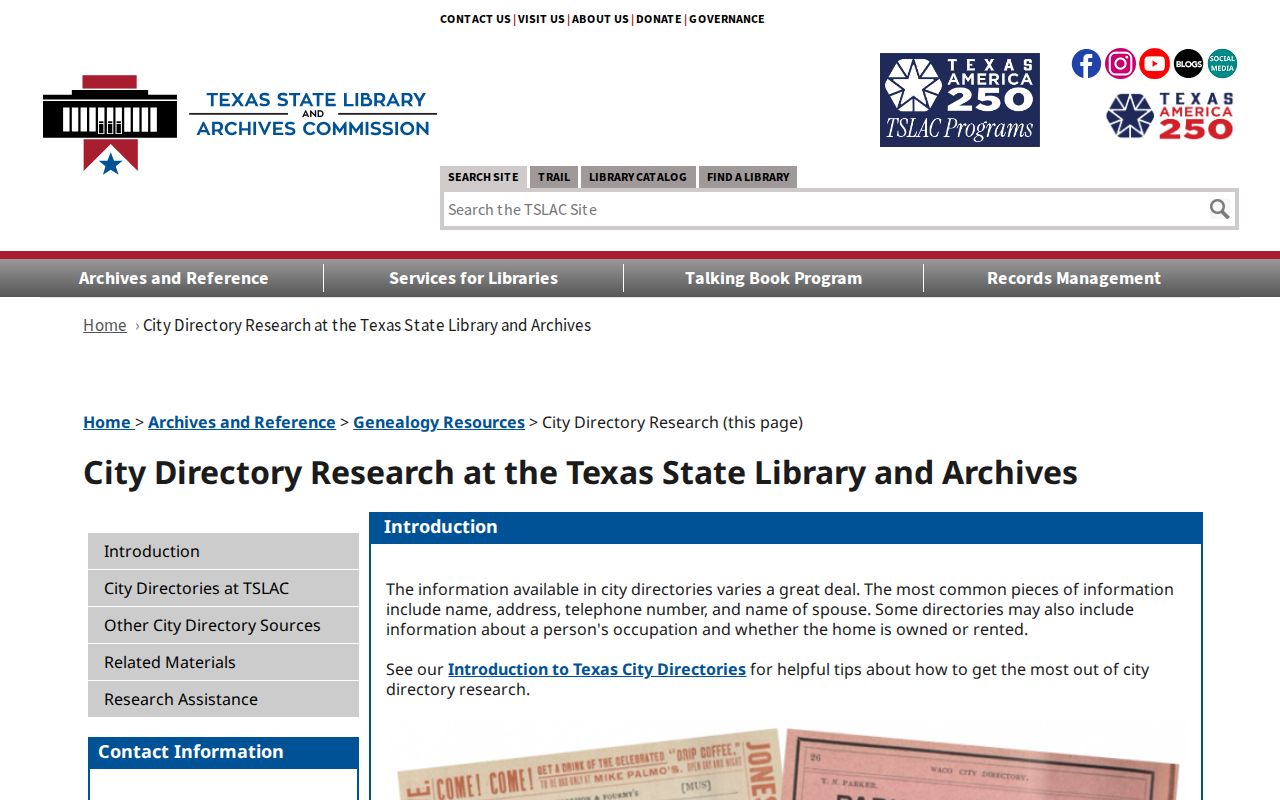
Pair each directory date with a deed date. A printed entry may identify a household lead, while the recorded transfer establishes the property event.
For earlier context, TSLAC lists New Braunfels volumes for 1952–53, 1969, and 1975. Search community names and Comal County variants because a historic source may not use the current Canyon Lake label.
Canyon Lake Households Before Today
A property chain identifies transfers, not every household. For people who lived at an earlier address, pair the available regional directory years with the federal census, the Comal reconstructed 1890 index, marriage and probate books, church records, cemetery material, and newspapers. The newest generally public federal census is 1950 in 2026, and its historical boundary may be a precinct, rural route, post office, or community rather than the present CDP.
Use the following sequence when the address is old: directory year or deed date → surname and spouse notation → census or Comal index → obituary, probate, or cemetery endpoint. A mismatch can expose a moved household, a different parcel, a spelling variant, or a gap in the source. It cannot be solved by assuming that every person named in a property document lived there.
The Comal County Genealogy Society's publications include marriage books, probate, naturalization, census, cemetery, and family-history material. The Sophienburg Archives provides another county-level route for index and translated-obituary research.
Lawful use. Research on Canyon Lake prior households fits house history, family history, estate questions, and personal curiosity. Do not use a historical trail to stalk, harass, or harm any living person.
Note: A census household, recorded deed, and printed listing may describe different dates, so keep their dates separate before connecting them.
Canyon Lake Previous Residents and Map Gaps
No Canyon Lake-specific Sanborn fire-insurance sheet was located. The following Library of Congress Sanborn search guide explains the search method, but it is not evidence of a Canyon Lake map. Do not use it to claim a house-level Sanborn image, coverage year, or occupancy result for a Canyon Lake address.
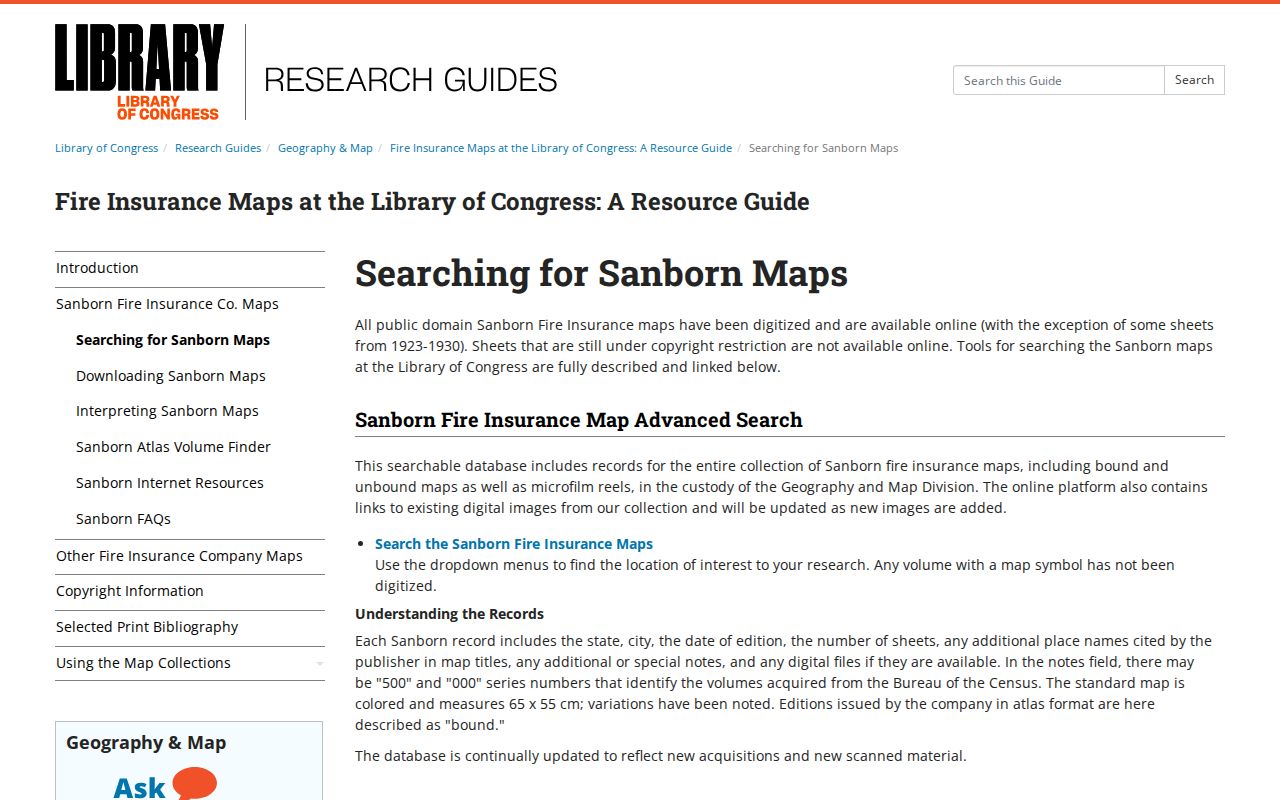
The useful fallback is the TSLAC Canyon-area map catalog, which records 1972, 1984, and 1989 highway-map material. Compare those maps with plats, GIS, permits, deeds, subdivision names, and legal descriptions. They can date road or community context without replacing a parcel record.
No dated Canyon Lake street-renumbering or street-renaming history was located either. Preserve the historic address exactly, then search the lot, block, tract, FM-road, community label, and former owner when the modern street form fails.
Canyon Lake Previous Residents at Trail Endpoints
The last useful record is often an obituary, probate filing, cemetery record, or newspaper notice. A probate file can identify heirs, representatives, notices, or public case events, subject to restrictions and redactions. The Canyon Lake Times Guardian holdings begin with 1974 originals, with incomplete 1981–83 and 1986–87 runs. Treat an unavailable newspaper issue as a gap, not as proof that a household never lived in the area.
For an earlier family, Cranes Mill Cemetery and the county genealogy collections can place a deceased person in local history. The county cemetery record identifies early markers and the association history, while the underlying cemetery or probate material provides the needed context. Keep sensitive information out of the research notes and confirm living-person details with the custodian.
Previous residents research remains strongest when every step is dated: parcel record, transfer, directory or census lead, then endpoint record. That sequence leaves an auditable address history without turning a name match into a claim about a living household.
Note: Write down the source date and legal description for each transfer before deciding that two old addresses describe the same Canyon Lake parcel.